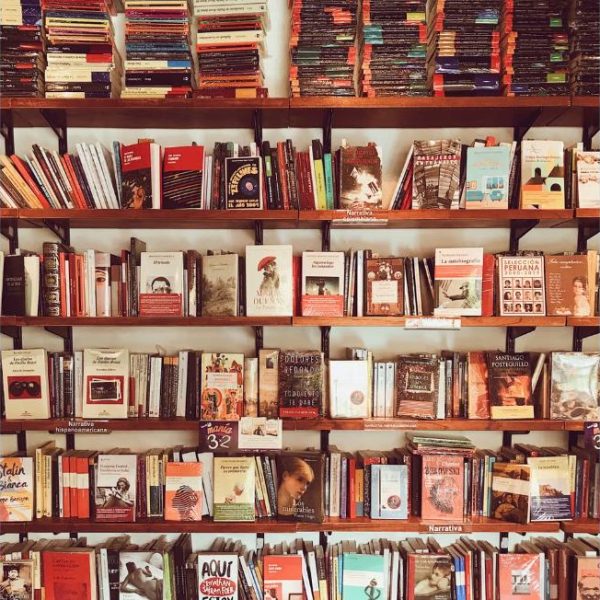
Some of the most loved books on any shelf were first written in a language the reader does not speak. A novel from another country can feel familiar and strange at the same time, and that mix is exactly what keeps people coming back. Behind each of those pages stands a translator who made hundreds of quiet decisions.
This article looks at why translated stories hold such appeal, and how readers and writers can get more from them.
Stories Open Windows to Other Lives
A book is the cheapest form of travel. Through a translated novel you can walk through a Sicilian village, a Tokyo apartment or a Nordic winter without leaving your chair.
Readers often say that the details are what stay with them, such as the food, the jokes and the way characters address each other. Those small details make a faraway place feel real.
The Translator Is a Second Author
Every sentence in a translated book was rebuilt by someone. The translator decides how to carry rhythm, humour and tone into a new language where the original words do not fit.
Good translators read the whole book before writing, and they live with its voice for months. Their work is invisible when it succeeds, which is why it is easy to overlook.
Voice Matters More Than Vocabulary
A character who speaks bluntly in the original should not sound polite in the new version. Slang, dialect and silence all carry meaning that goes beyond dictionary entries.
Translators often test chapters by reading them aloud. If a line sounds false when spoken, it is probably false on the page as well.
Italian Fiction Travels Well
Italian authors have a long record of reaching international readers, from classic novels to modern crime fiction. Publishers who want to bring more of these books to English readers often work with a specialist english to italian translation team when they need samples, rights material or marketing text in both languages.
Careful work at this stage helps editors decide which titles deserve a full translation.
Titles and Covers Need Adapting Too
A title that works beautifully in one language may fall flat in another. Sometimes it is replaced entirely, and sometimes only slightly adjusted.
Cover images and blurbs follow the same logic. They must speak to local readers without betraying the book.
Translation Is a Real Profession
Literary translators train for years, build specialist knowledge and negotiate contracts. Many also work in other fields such as business, law and media to support themselves.
Anyone curious about the path can read a helpful translator career guide that explains skills, specialities and typical steps.
Libraries Keep Translated Voices Alive
Public libraries and national collections preserve books and make them available to anyone. The Library of Congress is one of the largest examples, holding material in hundreds of languages.
Browsing such collections shows how many stories exist beyond the bestseller lists.
Reading Translations Builds Empathy
Spending time inside the mind of someone from another culture changes how we see our own. We notice assumptions we never questioned and customs we took for granted.
This effect is gentle but lasting, and it explains why many readers choose translated books on purpose.
Book Clubs Can Go Global
A club that picks one translated book every few months explores new regions without effort. Members enjoy comparing the story with its setting.
Invite someone who speaks the original language to share what the title or a certain phrase means.
Check the Translator's Name
When you pick up a translated book, look for the translator on the cover or title page. Reading other work by the same person often leads to a new favourite.
Reviews that mention the quality of the translation are a good sign that a book is worth buying.
Re-Translations Offer Fresh Reading
Classics are translated again every few decades, because language changes and readers expect different qualities. A new version can reveal humour or anger that older editions softened.
Comparing two versions of the same chapter is a fun and educational exercise.
Poetry Is the Hardest Test
Poems depend on sound, rhythm and compact images. Translators often accept that something must be lost, and then work to give back something equal.
Dual-language editions let readers see the original beside the new text and appreciate the choices made.
Support Independent Publishers
Small presses publish many translated books that large companies skip. Buying from them, and from independent bookshops, keeps this ecosystem alive.
Subscriptions, festivals and prizes for translated fiction help new voices reach English readers.
Start Reading Today
Pick a country you have always wanted to visit and ask a librarian for a recommendation. Begin with a short novel, so that it feels easy to finish.
Keep a notebook of phrases and images that stay with you. They often lead to the next book.
Learn the Language Behind the Book
Many readers become curious enough to study the original language. Even a few lessons make you notice how a sentence was constructed.
You may never read the whole book in its first language, but you will respect the translator even more.
Final Thoughts
Stories in translation bring new places, voices and ideas into our daily life. They exist because translators care about meaning, rhythm and the reader who will meet the book for the first time.
Choose one translated title this month and notice how it changes your view of the world. You may find that your favourite author was written in a language you never learned.